
Y Combinator's QM: The Complete Guide to YC's Open-Source AI Agent Harness 🤖
The step-by-step guide for the AI agent harness YC uses to run itself: setup, 15+ copy-paste prompts, the highest-impact workflows for startups & small teams, and the security realities you must know.

👋 Hey, Linas here! Every day, I break down 3 stories shaping the future of FinTech & Artificial Intelligence - plus the money movements and trends worth tracking. First time here? 399k+ FinTech and AI leaders get this daily. Join them:
Y Combinator, arguably the world’s top startup accelerator, just open-sourced QM (short for Quartermaster). The repo describes it as “a multiplayer agent harness for work. In Slack and on the web”.
YC has been running it internally for months across accounting, legal, events, and engineering, including building QM with QM, and recently released the whole thing under an MIT license. In other words, any team can now deploy it for the cost of cloud hosting and model tokens.
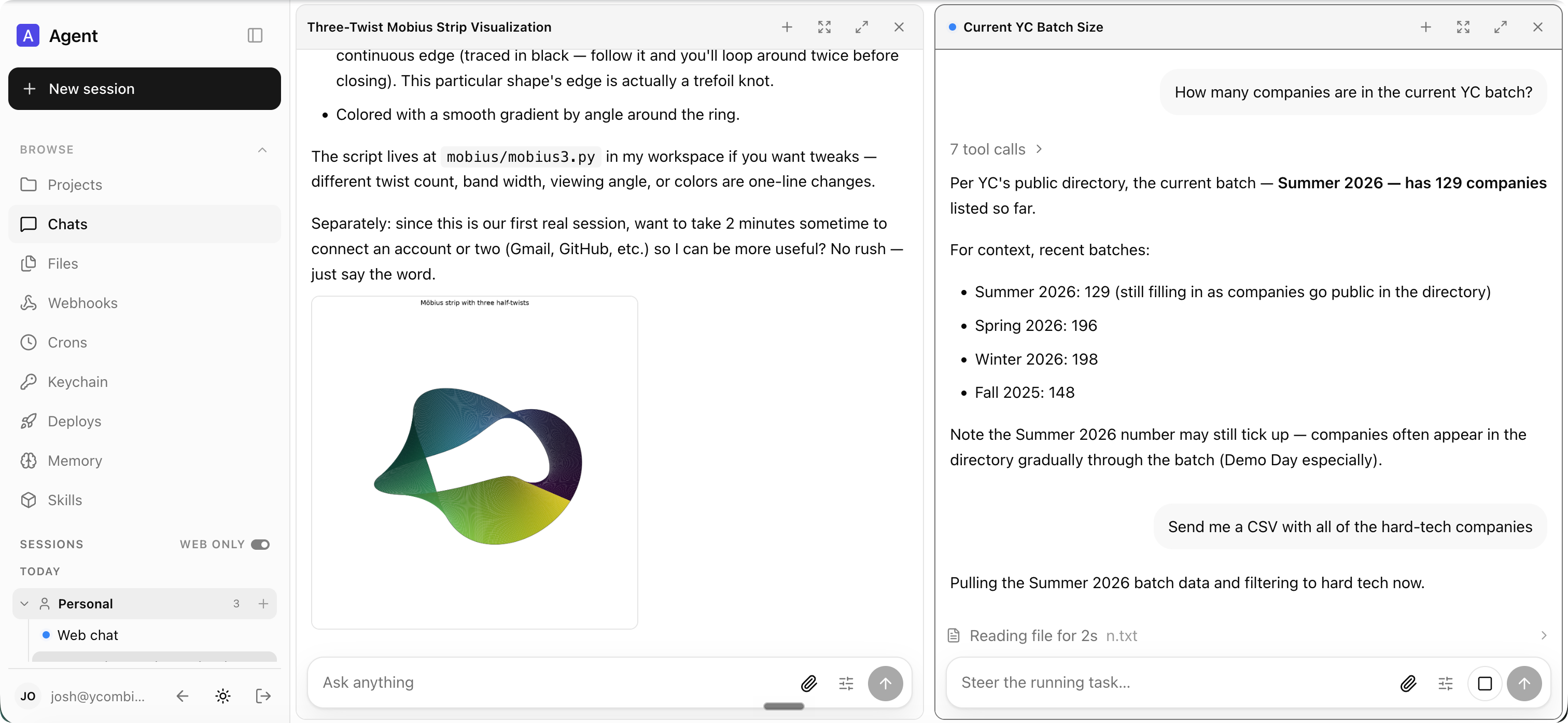
Interestingly, it arrived just 10 days after Block XYZ 0.00%↑ open-sourced Buzz, the Nostr-based agent workspace we recently covered in our newsletter, and the two now make opposite bets:Buzz wants to replace Slack and GitHub outright, while QM plugs into the Slack you already run.
The launch did big numbers: 2 million+ views on the announcement thread, 7,000 GitHub stars inside three days (above 13,000 now), a Hacker News thread that finished over 600 points. But the more interesting claim came from inside YC. Eve Bouffard, the accelerator’s head of design and QM’s self-described number-one power user, says she watched partners and staff “use it to 1000x themselves,” and credits the tool with part of how a small team gets so much out the door.
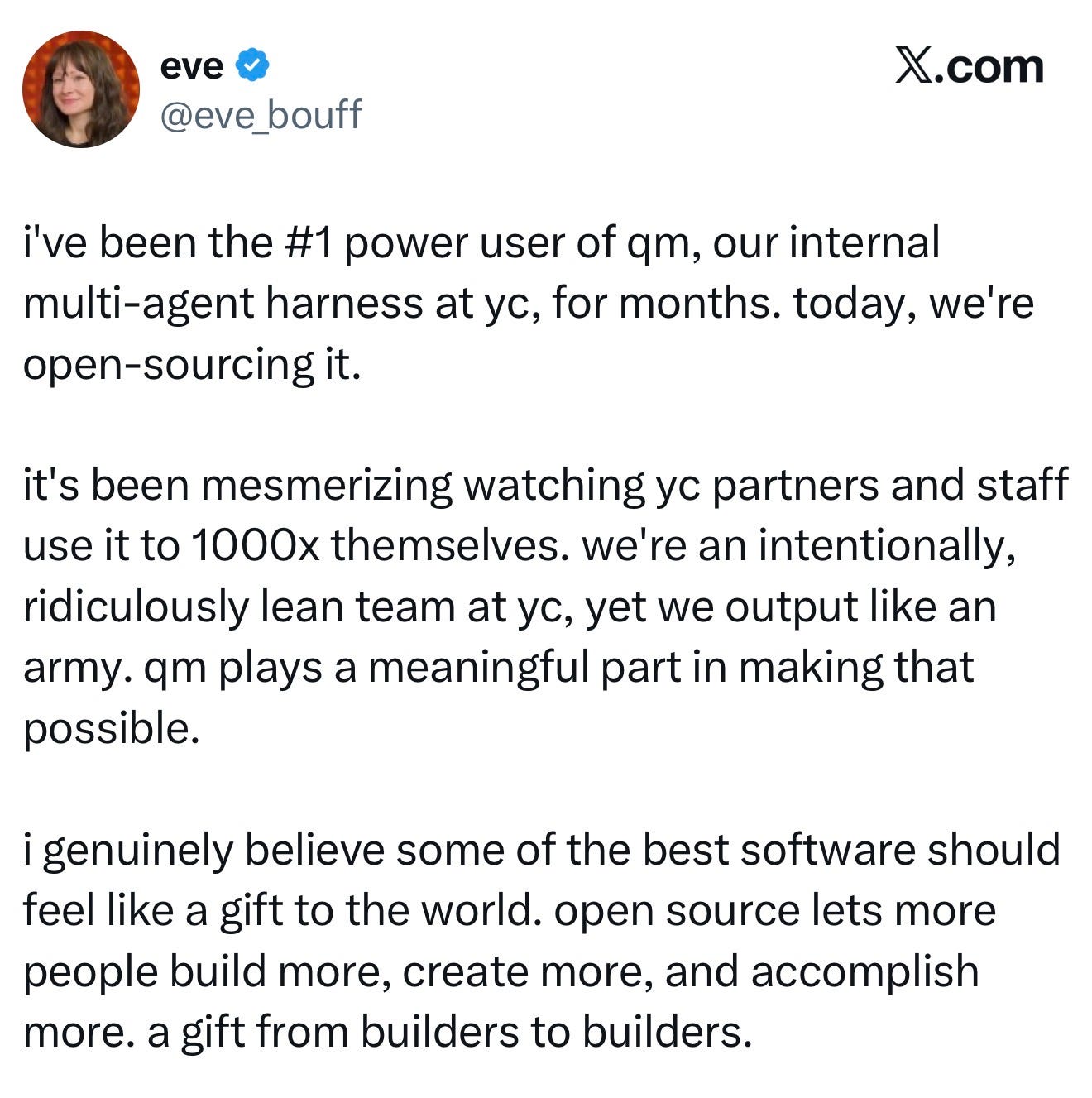
Of course, you should take the multiplier as primarily marketing here, yet the question underneath it is real, and every startup is asking it now: how do you get AI agents out of one engineer’s terminal and into the whole company without losing control of them? QM is YC’s answer.
Unsurprisingly, almost nobody is deploying it well yet.
QM still sits at version 0.1.x, YC’s announcement warns it is “an experiment. It’s early and has bugs,” and the docs assume you already know your way around cloud infrastructure.
That said, whether a team ends up with compounding value or an expensive transcript generator mostly comes down to setup decisions, prompts, and workflow habits the official docs never spell out. This guide was written exactly to fill that gap.
We read the QM source and everything substantive written about it since launch, and kept what holds up:
A deployment path checked against the published code
15+ copy-paste prompts for the 9 highest-impact use cases
A first-week rollout plan
The security tradeoffs QM’s own SECURITY.md admits, & most teams skip
A 30-day pilot framework that ends in an actual adoption decision.
Let’s dive in.