
The Quiet Compounder: Wealthfront’s automated flywheel is real, but cash engine has BIG problem 🧐💸; AI Agents finally got a bank account. Crypto’s biggest names agreed on what it looks like 🤖🏦
FinTech is Eating the World, 25 March

Hey Everyone,
Good morning & happy Wednesday! Today, we’re diving deep into Wealthfront’s latest financials to see if this quiet compounder is worth your time and money (breaking down Wealthfront’s Q4 & full 2026 year financials, understanding what they mean, what’s next & whether cash engine’s problem is big enough + bonus deep dive into Revolut’s 2025 financials inside), and MoonPay just shipped the Open Wallet Standard, an MIT-licensed, open-source protocol that gives AI agents a single encrypted vault for holding funds, signing transactions, and paying for services across every major blockchain (what it’s all about, why it coul be huge & what to expect next + bonus deep dive into Stripe, and how it’s building the toll booth for the machine economy). So let’s just jump straight into the interesting stuff 🌶️
The Quiet Compounder: Wealthfront’s automated flywheel is real, but the cash engine has one BIG problem 🧐💸

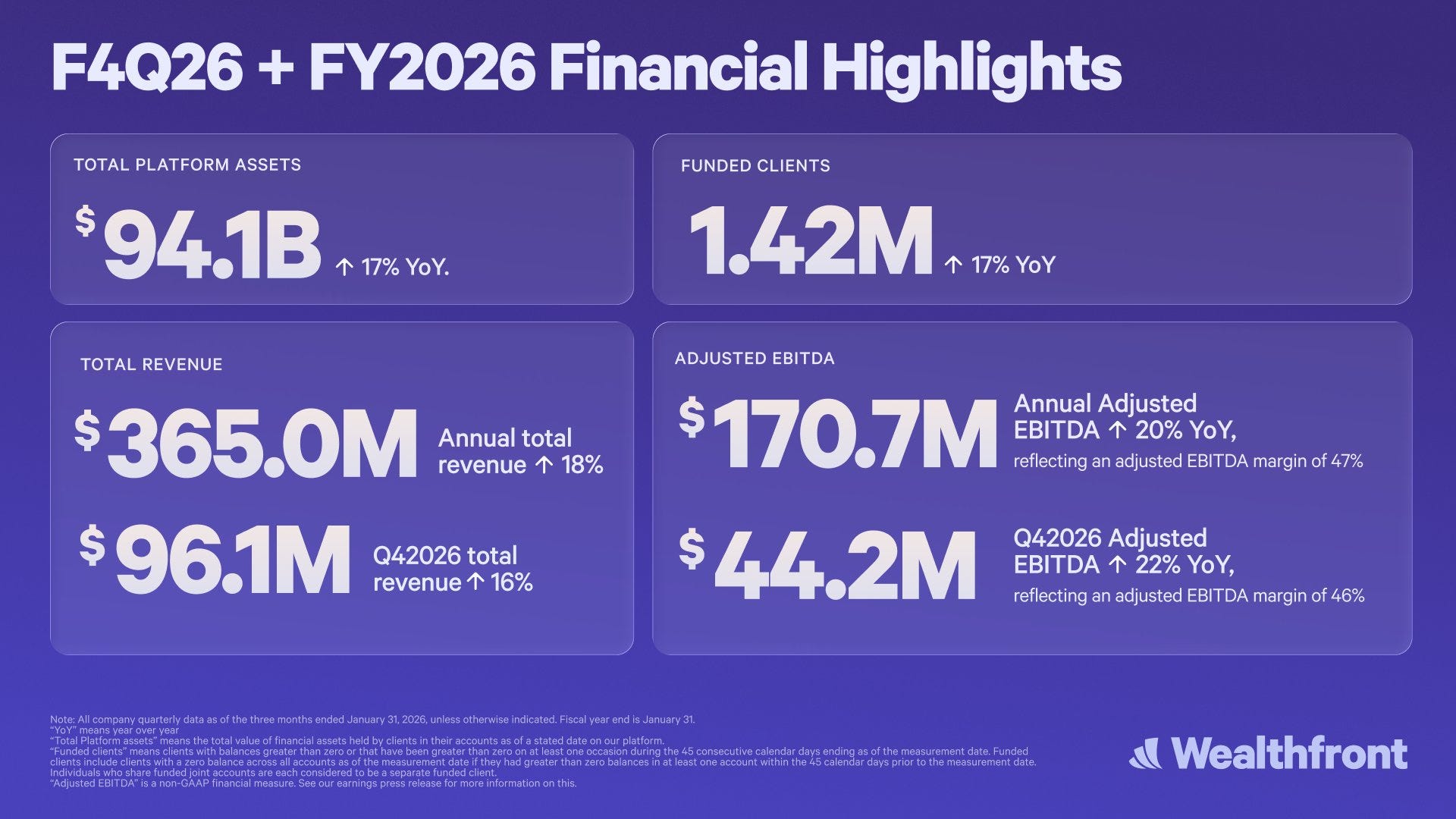
Earnings time ☎️ Wealthfront WLTH 0.00%↑ is a rare breed in fintech: a company that crossed the profitability threshold before its IPO, not after. With FY2026 revenue of $365 million (+18% YoY), adjusted EBITDA of $170.7 million (47% margin), and $151 million in free cash flow on a debt-free balance sheet now carrying $441 million in cash post-IPO, the operating fundamentals are truly strong.
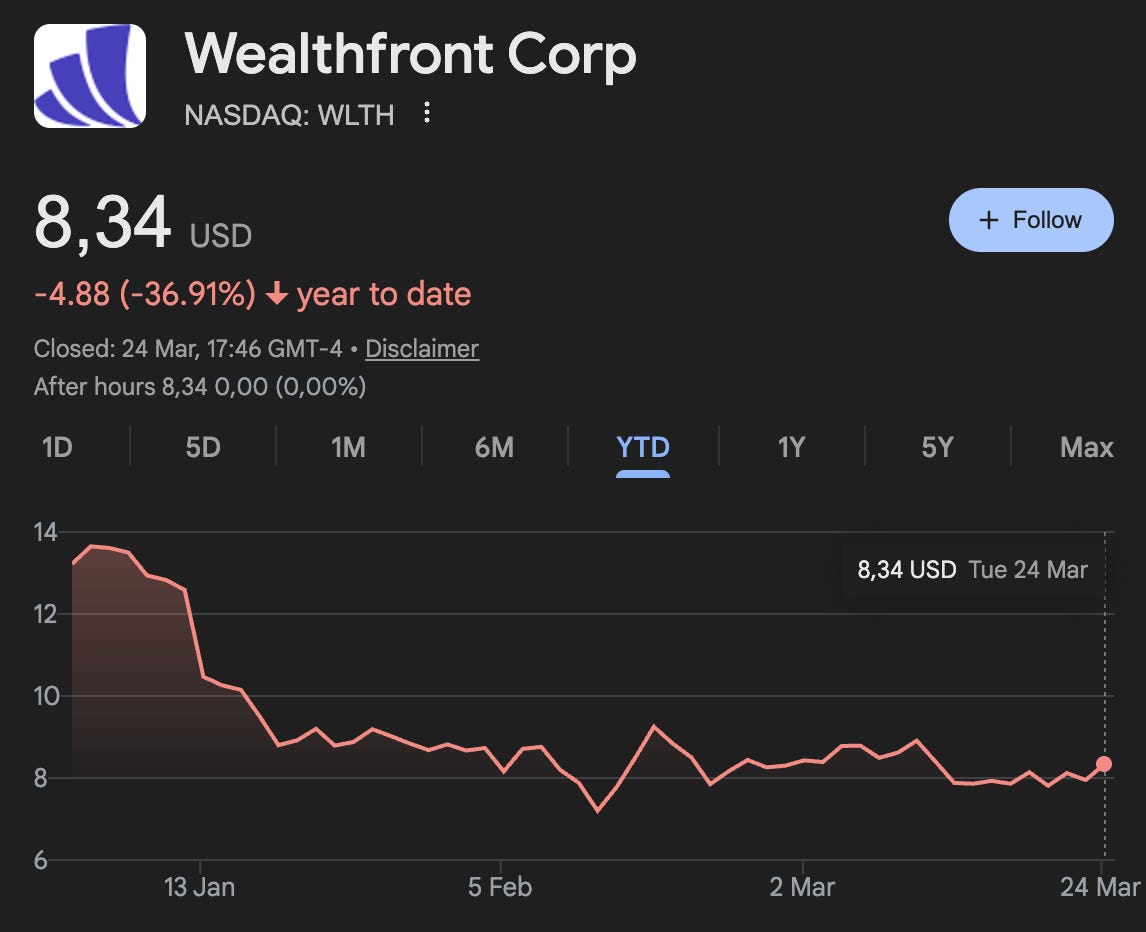
But a closer look reveals a company whose revenue is concentrated in rate-sensitive cash management (roughly 74% of the total), thus creating a structural vulnerability that investors must price carefully. Compounding that vulnerability is the governance controversy around the CEO’s personal ownership of the home-lending subsidiary, which has already drawn securities-law scrutiny and hammered the stock to less than 60% of its $14 IPO price. Ouch 🤕
So let’s dive deeper into this, unpack their latest Q4 & FY 2026 financials, understand what they mean, and see whether Wealthfront is worth your time and money in the years to come.
