
Visa paid $2.4B for BioCatch for the right to authenticate Your AI Agent 🤖🔐; OpenAI fires back at Apple’s trade secret lawsuit ⚔️⚖️; Kimi turned a credit card into an AI distribution channel 🤖💳
You're missing out big time... Weekly Recap 🔁

👋 Hey, Linas here! Welcome back to a 🔓 weekly free edition 🔓 of my daily newsletter. Each day, I focus on 3 stories that are making a difference in the financial technology space. Coupled with things worth watching & most important money movements, it’s the only newsletter you need for all things when Finance meets Tech.
If you’re not a subscriber, here’s what you missed this week:
Are We Bullish Enough on Revolut? 🦄💸 [deep dive into Bullhound Capital's 56-page report on Revolut, breaking down whether the report is actually bullish about the right things, the 3 options it leaves completely unpriced, including PRAGMA, the in-house AI foundation model quietly becoming the bank's operating system, plus the 2 numbers most likely to break the $400B path, & actionable takeaways for founders, operators & investors + bonus deep dives into the AI Monopoly Playbook, the latest financials of Monzo & Starling Bank, and The New Enterprise AI Go-To-Market Playbook inside]
The New Enterprise AI Go-To-Market Playbook 📚 [The a16z framework that decides which AI startups win the enterprise, and how founders can use it in 2026]
How to Build an AI Monopoly: The New Rules of Startup Strategy 🦄 [Anyone can build an AI product now. Almost no one can build an AI company. Here is how to escape competition, build moats that compound, and capture the value you create]
The Ultimate Guide to Kimi K3 🤖 [Moonshot’s 2.8T open model is now #1 in the world for frontend coding and AI agents at a third of Claude’s price. What it changes for founders, builders, and investors, and exactly how to operate it]
Turn Claude Opus 5 Into a Financial Analyst That Never Sleeps 📊 [Claude Opus 5 just took #1 on the leading independent finance benchmark. Here’s the framework that turns it into an AI analyst that works for you 24/7]
How to Build an Agentic OS with Claude Fable 5 🤖 [The complete guide to building an autonomous AI agent operating system with Claude Fable 5 — architecture, working code, cost control, security, and the economics of agentic labor]
Coinbase’s Q2 2026: a record 10.3% market share, a $359M loss & why COIN stock fell 13% anyway 🥇📉 [breaking down the most important facts & figures from Coinbase's Q2 2026 to see whether COIN 0.00%↑ is still worth your time & money + bonus deep dive into Robinhood’s latest financials, & How to Turn Claude Opus 5 Into a Financial Analyst That Never Sleeps inside]
Cloudflare gave AI Agents a stablecoin wallet. Now it needs them to spend 🪙👛 [what Cloudflare Wallets actually do & why the 14-month two-sided infrastructure stack they complete matters, how Google already won the consumer protocol race but Cloudflare is playing a completely different game with x402 + bonus deep dives into Building an Agentic OS with Claude Fable 5 & the ultimate list of stables resources inside]
Anthropic Just Told AI Founders Exactly What to Build in 2026 🦄 [1 million conversations. 9 consumer AI domains. A full founder playbook - plus where Anthropic’s own products will and won’t compete]
Loops at Scale: The Governance Layer Nobody Built Yet 🔁 [Why founders running AI agent loops in 2026 need harnesses, outer-loop ownership, and swarm governance, not just better prompts]
As for today, here are the 3 fascinating FinTech stories that are changing the world of financial technology as we know it. This was yet another wild week in the financial technology space, so make sure to check all the above stories.
Visa just paid $2.4 billion for BioCatch for the right to authenticate Your AI Agent 🤖🔐
Following the money 💸 AI agents are about to start spending money autonomously, and nobody in payments has a credible answer for how to verify they’re authorized to do it. Global losses from account takeovers and AI-driven scams already top $1 trillion a year, and agentic commerce hasn’t even scaled yet.
Visa’s $2.4 billion all-cash bid for BioCatch is its answer.
Most will call this a fraud acquisition. What Visa actually bought is ownership of the trust layer for machine-initiated commerce, with consequences for every network, issuer, and fintech building toward an agentic future.
Let’s unpack this.
More on this 👉 BioCatch doesn’t catch fraudsters after they act. It continuously reads thousands of behavioral signals (keystroke cadence, touch pressure, device handling, session navigation) to determine whether the entity interacting with a bank is who it claims to be, across roughly 19 billion sessions a month.
The company already protects 760 million users at more than 350 banks. Its models already score for AI-agent usage and jailbroken devices.
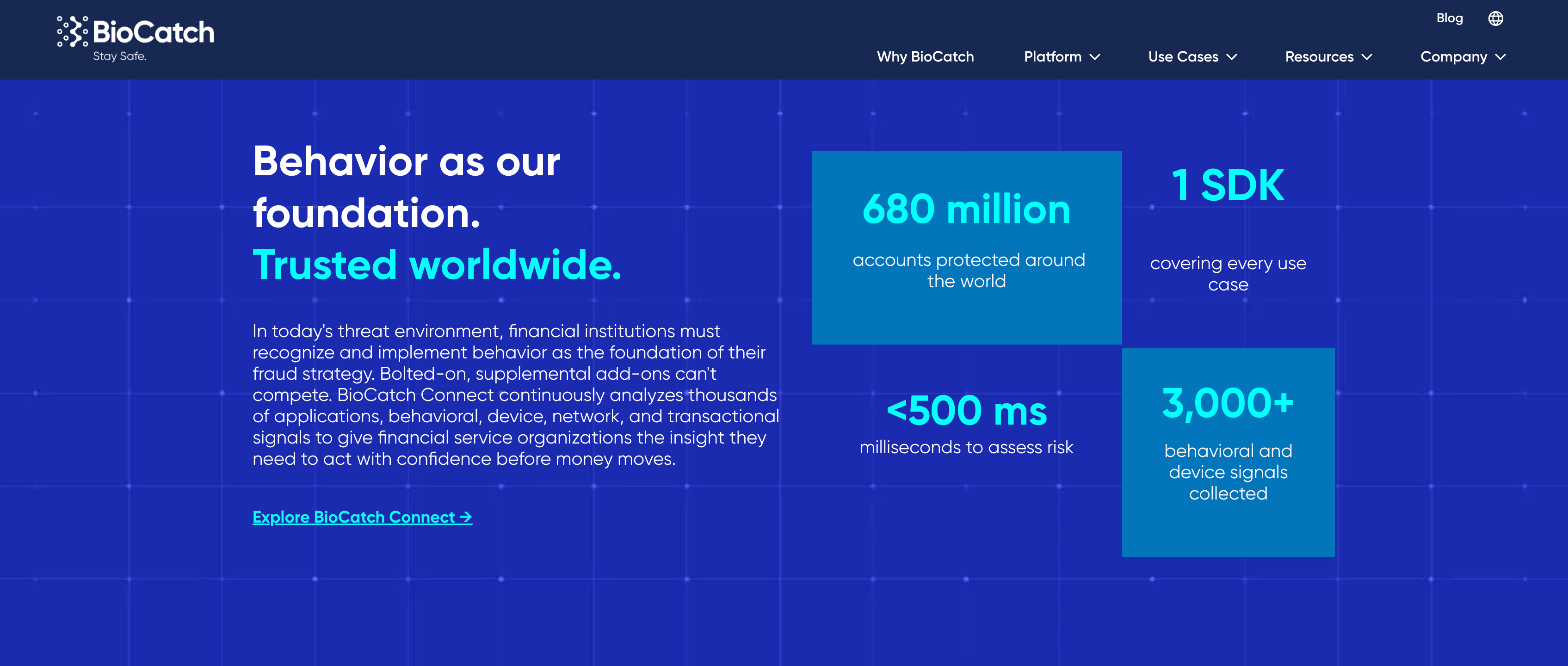
Zoom out 🔎 That scoring capability is what makes this more than a fraud deal. Visa has spent the past year building “Visa Intelligent Commerce”: APIs, a Model Context Protocol server, agent toolkits, token provisioning for AI agents, and live pilots with banks across Europe and Asia-Pacific.
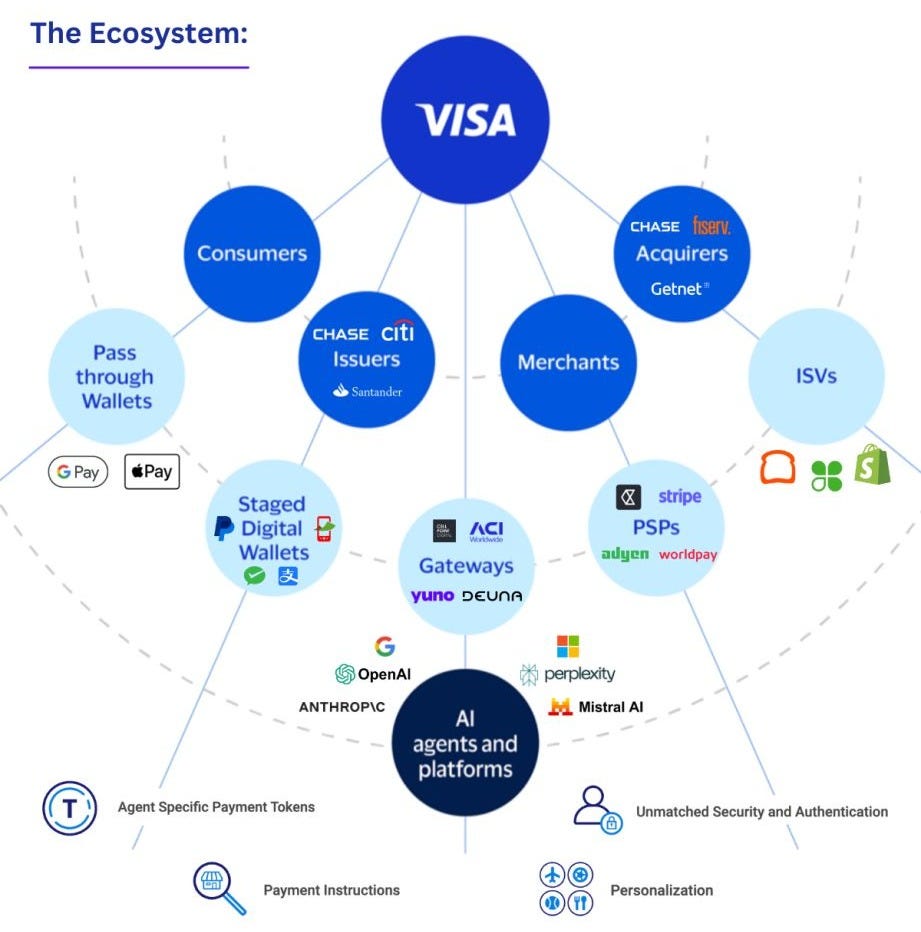
The infrastructure for agents to browse, select, and buy on your behalf is nearly ready. What’s been missing is a continuous way to verify that an agent acting on your behalf is actually yours, operating within your constraints, and not compromised.
BioCatch fills that gap. Integrated into Visa’s risk engine and agent-token lifecycle, behavioral scoring becomes persistent authentication for agent sessions, one that checks the session’s behavioral signature against the authorized pattern continuously, before money moves, rather than relying on a one-time password at login or a device fingerprint a sophisticated attacker can spoof.
THE TAKEAWAY ✈️
What’s next? 🤔 First and foremost, we must note that the acquisition fits two other recent deals: Featurespace (late 2024) for transaction-level AI risk scoring, and Prisma/Newpay (February 2026) for Argentine payment rails with built-in tokenization. Visa is clearly assembling a full-stack trust platform. Fraud and risk tools are already among its fastest-growing revenue lines, and pushing BioCatch-grade intelligence across 14,500-plus institutions turns every transaction into a higher-margin one. Readers of our AI Monopoly Playbook will recognize the pattern: build the moat from the data flywheel, and make sure it improves when AI models improve. Every new agent session feeding BioCatch’s network thus makes the behavioral models harder to replicate and the trust signal more valuable, which is exactly the kind of compounding defensibility that separates an acquisition from an asset. Zooming out, the second-order effect is competitive. Visa is raising the cost of entry for agentic commerce. Any network routing agent-initiated transactions will need equivalent behavioral depth, and the pool of acquirable behavioral biometrics firms just shrank. Mastercard bought Recorded Future in 2024, but threat intelligence and continuous behavioral authentication solve different problems at different layers. Looking ahead, watch for Visa to bundle BioCatch scoring into its value-added services for issuers, thus making behavioral authentication a default network feature. When that happens, the moat stops being about fraud rates and becomes about which rails AI agents are built to trust first.
ICYMI: Visa and Mastercard’s Agentic AI payment platforms have a volume problem 🤖📊 [what it’s all about, why it matters & why payment titans have a volume problem here + bonus reads into other Visa & Mastercard’s agentic AI moves, & how Google wants to be the OS for all commerce inside]
Visa’s Stablecoin Platform launches with Open USD, sending Circle down 6% 😳🪙 [why Visa followed the same pattern Anthropic set with Claude Managed Agents, & what’s the bigger play here + bonus deep dives into Coinbase, Circle, and the Ultimate List of Stables Resources inside]

OpenAI fires back at Apple’s trade secret lawsuit, but the evidence cuts both ways ⚔️⚖️
The news 🗞️ OpenAI broke litigation protocol on August 3 by publishing a blog post, internal iMessages, and email correspondence to publicly rebut Apple’s trade secret claims. The company’s central argument: Apple’s lawsuit rests on sloppy lawyering, mischaracterized facts, and Apple’s own failure to revoke system access when employees leave.
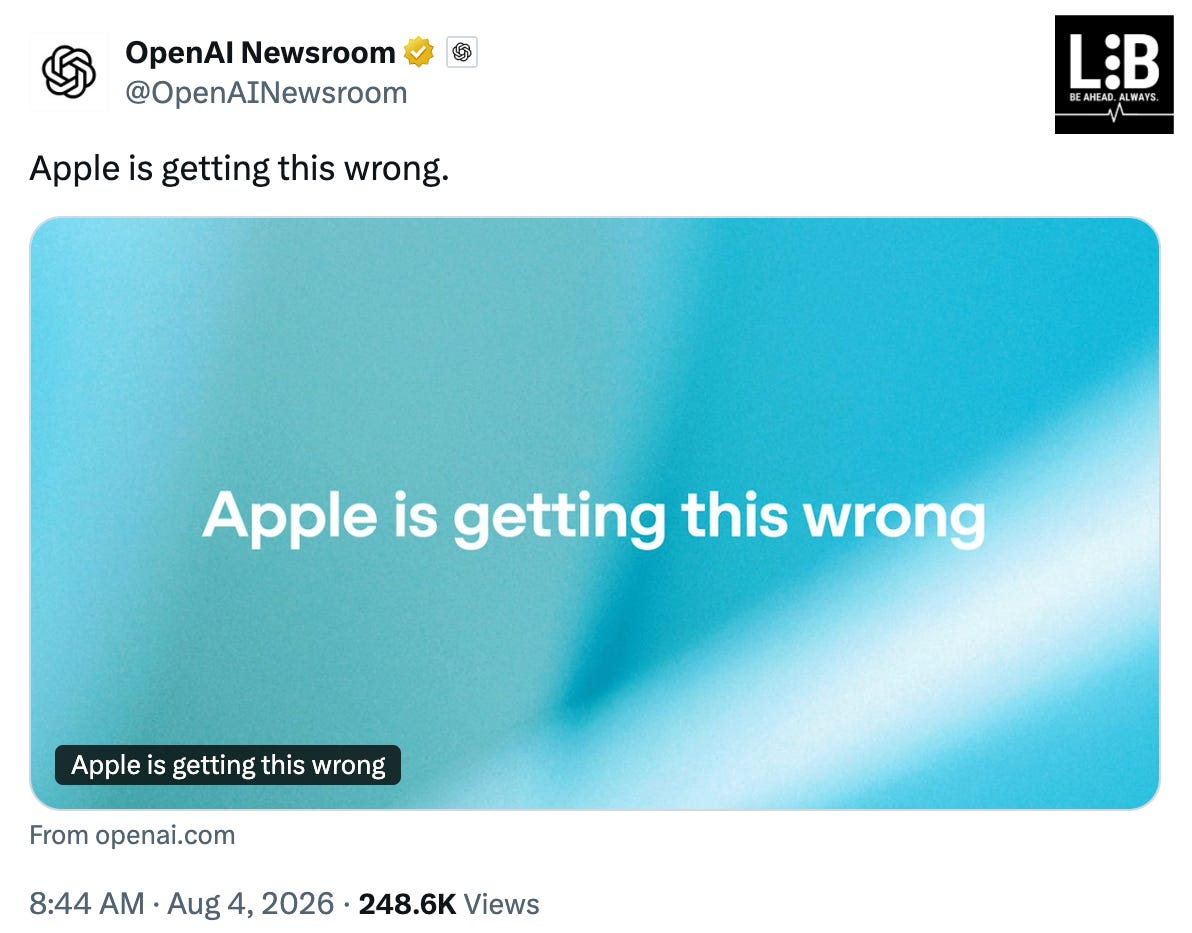
The move is unusual for a defendant in active federal litigation and reads less like a legal strategy than a pre-IPO reputation play. The published emails reveal an embarrassing blunder by Apple’s outside counsel that weakens the original complaint.
But the iMessages OpenAI released to exonerate Chang Liu tell a more complicated story.
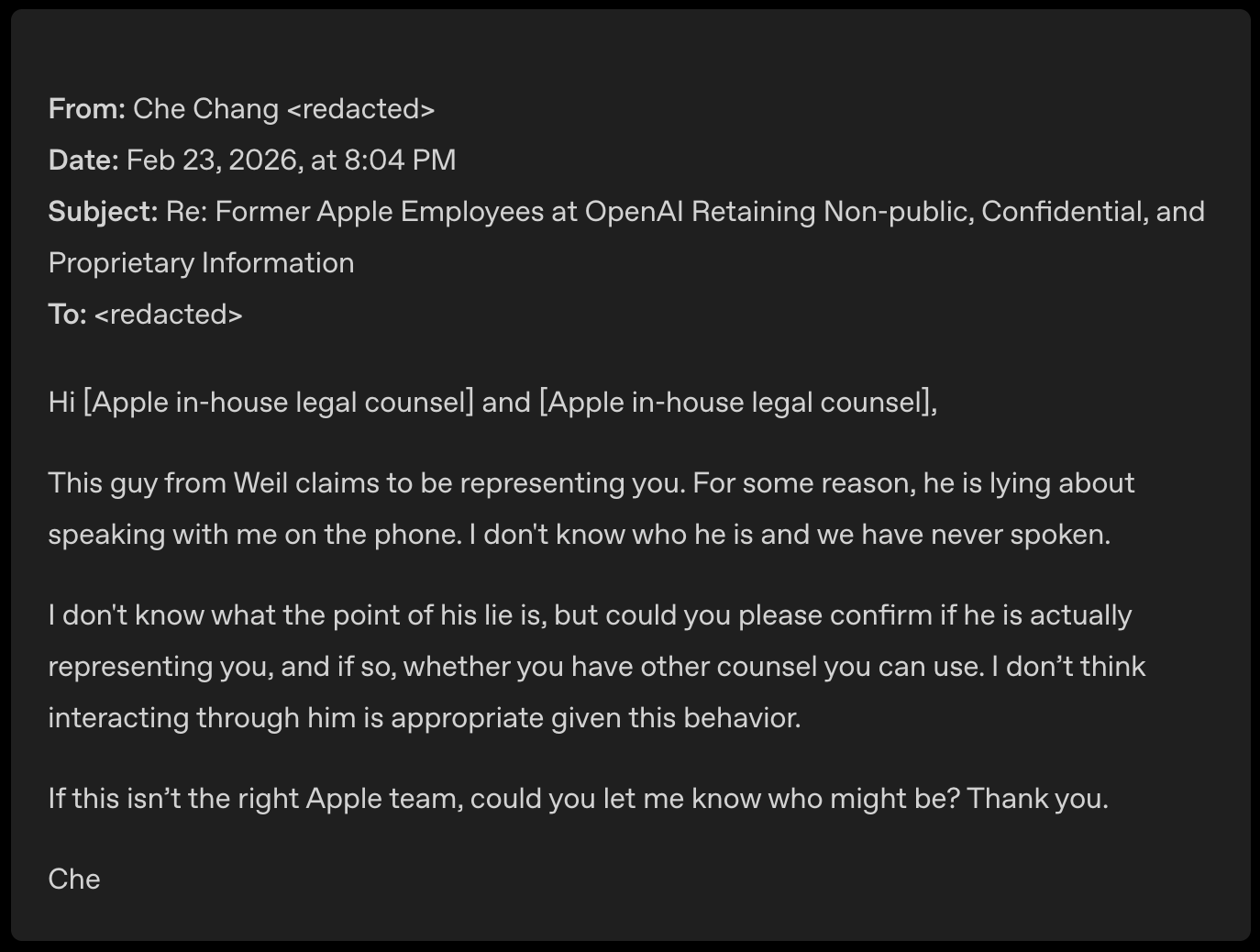
More on this 👉 At the core, the email chain hurts Apple more than it helps OpenAI. OpenAI published it showing that Apple’s outside counsel at Weil Gotshal sent the February warning letter to the wrong person after confusing two people with Asian last names, then falsely claimed in a follow-up email to have spoken with OpenAI’s General Counsel by phone. OpenAI’s GC, Che Chang, emailed Apple’s in-house team directly calling out the fabrication.
Weil’s lawyer later admitted the mix-up. For a company that built part of its case on the claim that OpenAI ignored a good-faith warning, that’s a real problem.
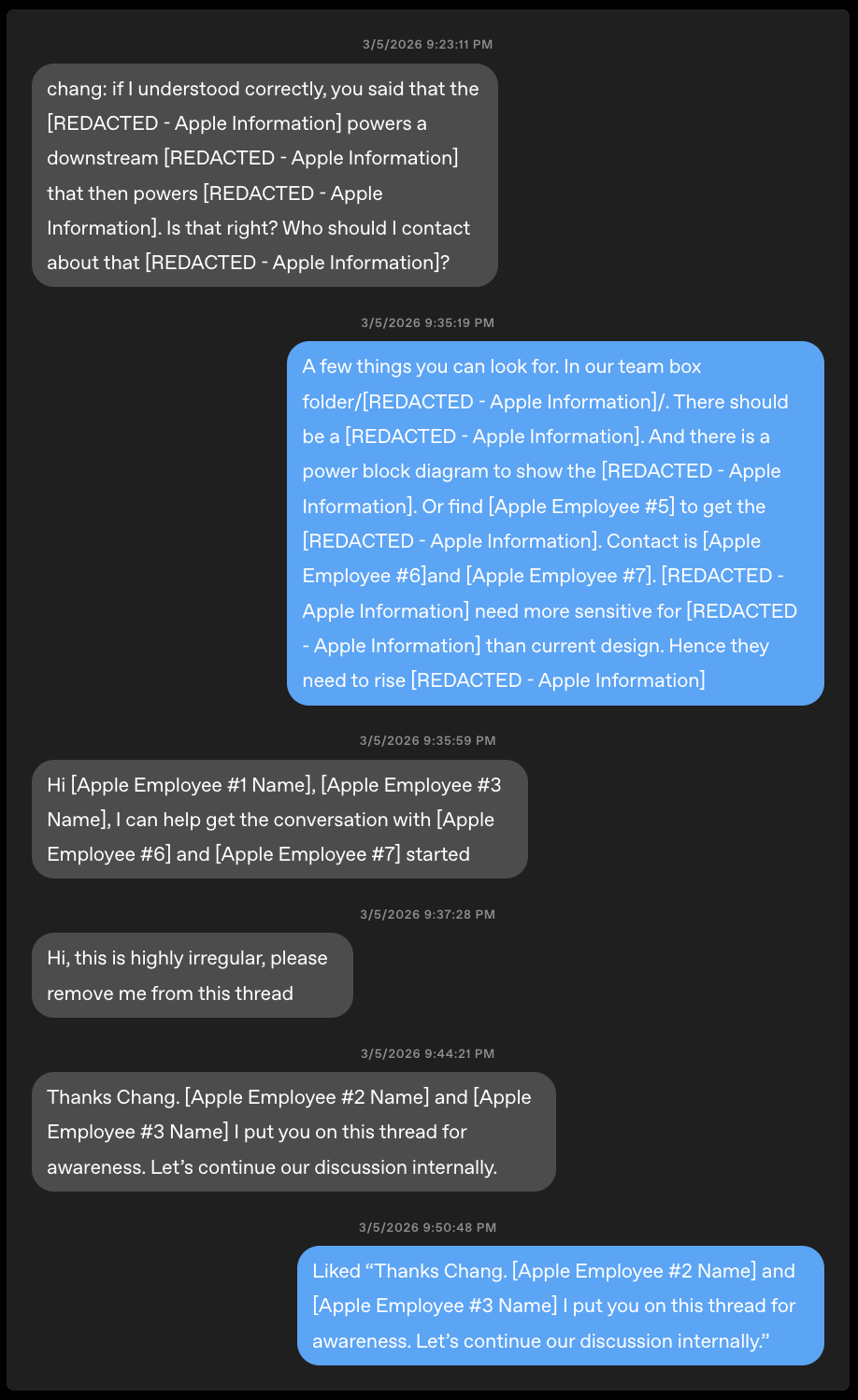
The iMessages are more complicated. OpenAI published them to show that Apple employees repeatedly reached out to Chang Liu after he left, asking for help locating files and technical details. On their face, the texts do show Apple employees initiating: requesting airdrop help on Liu’s last day, asking technical questions about redacted product decisions in February and March 2026. But read the same thread from Apple’s perspective and a different picture forms. A former employee, now at a direct hardware competitor, was freely answering detailed technical questions about unreleased products and directing colleagues to specific internal file repositories and named contacts. On March 5, an Apple manager flagged one such exchange as “highly irregular” and shut it down. In trade secret law, who started the conversation matters less than what information moved and where it ended up.
Zoom out 🔎 On Tang Tan, OpenAI’s defense is a single sentence: he “has always been clear with the team that we do not want, and must not use, any confidential information.” No documentation, no process specifics. Against Apple’s claim that Tan ran structured interviews designed to extract trade secrets from candidates, that’s thin 🤷♂️
Then there’s what OpenAI didn’t address. The “LOL, I found out I can access the [server]” text that anchored Apple’s original complaint is absent from the response entirely. So is any rebuttal of the allegation that OpenAI misled a manufacturing partner into demonstrating Apple’s proprietary metal-finishing process.
THE TAKEAWAY ✈️
What’s next? 🤔 All in all, the strategic logic of going public is clearer here than the legal logic. OpenAI has an S-1 on file targeting a Q4 2026 listing at roughly $850 billion. Every week the dominant narrative stays at “OpenAI stole Apple’s hardware secrets” makes that valuation harder to defend. A public counter-narrative, even an imperfect one, gives bankers and prospective investors something to cite. Other than that, it’s clear that the February email chain genuinely wounds Apple’s pre-suit conduct story. But the iMessages, published to exonerate Liu, may end up in Apple’s next filing as evidence of exactly what they alleged: that confidential product information continued flowing to an OpenAI employee long after he should have been cut off. Thus, going public shaped the OpenAI IPO narrative. It may also have given Apple’s lawyers more to work with. Wild times 🍿
ICYMI:


Kimi turned a credit card into an AI distribution channel 🤖💳
The news 🗞️ AI giant Moonshot AI found a way to make a bank pay for its user acquisition.
Let’s take a quick look at this.
More on this 👉 Kimi, the Chinese AI lab whose consumer app has been losing ground to Doubao, Qwen, and DeepSeek, launched a co-branded credit card with Agricultural Bank of China and American Express. The reward currency is inference compute, not cashback or miles. Every swipe earns tokens redeemable for Agent runs, Kimi Code capacity, multi-agent clusters, and priority model access. The official pitch frames AI as infrastructure “like water, electricity, and the network,” and the card wraps a familiar consumer meter around that infrastructure.
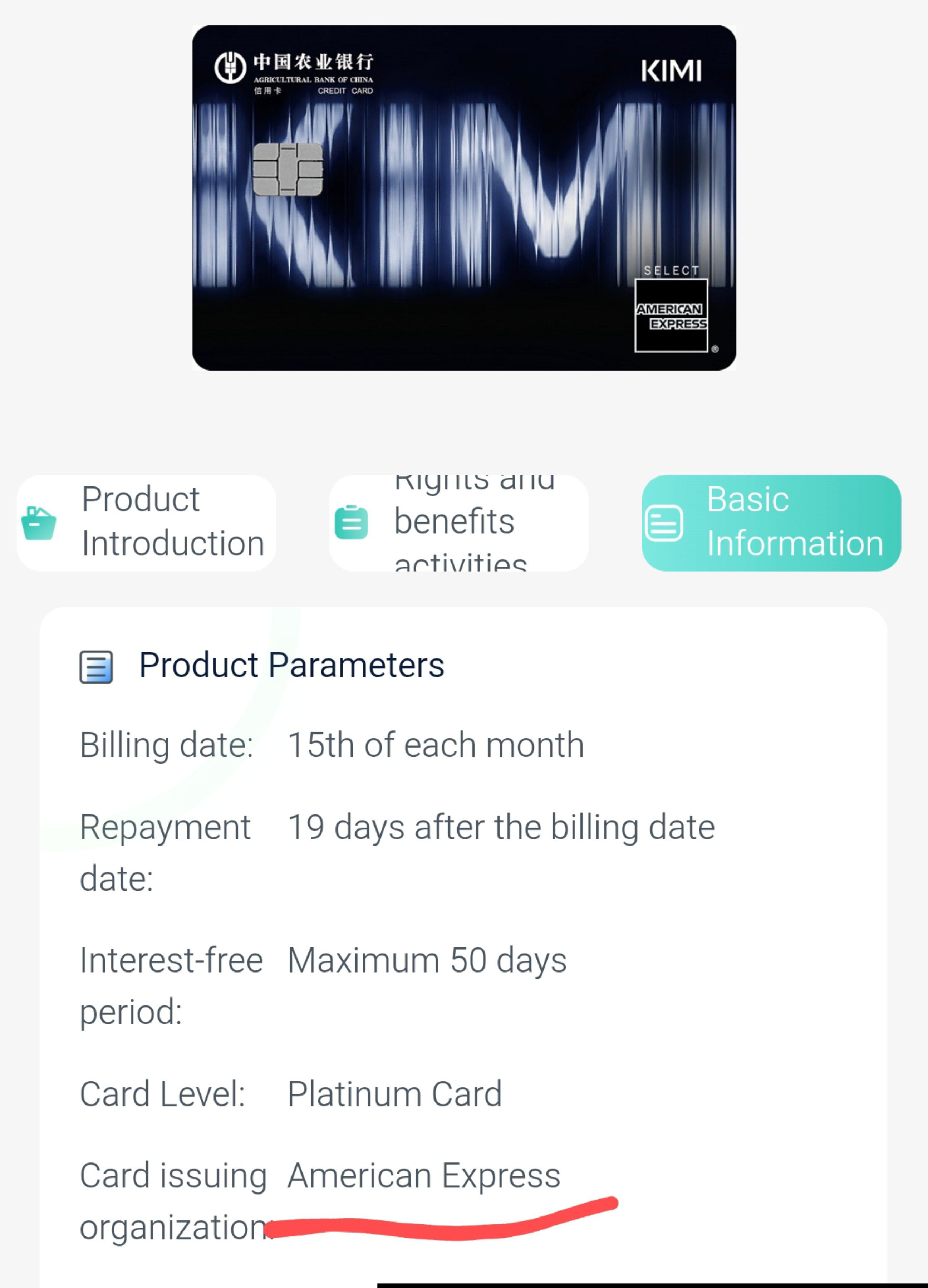
The product looks like fintech, but the logic is pure distribution. Kimi’s app rankings have slipped in one of the most brutal AI consumer markets on earth, and paid subscriptions alone can’t cover the GPU bill, especially after repeated capacity crunches following model launches like K3. A physical card reaches high-frequency spenders who would never download an AI app, locks earned credits inside Kimi’s ecosystem so every cardholder becomes a retained user by default, and lets a state bank’s interchange economics subsidize what would otherwise be free-trial compute costs.
Zoom out 🔎 The timing matters too. Moonshot was in the middle of a valuation sprint from roughly $20 billion to $35 billion, with IPO preparation underway. “AI plus consumer finance” tells a fuller story to capital markets than “another chatbot,” and the company has already telegraphed what comes next, including agent-initiated payments, bidirectional token-to-points conversion, and credit lines tied to token balances.
THE TAKEAWAY ✈️
What’s next? 🤔 First and foremost, whether the program works long-term depends on where reward redemption concentrates. If earned compute pulls users into Kimi’s highest-margin features (agents, coding, long-running workflows), the card becomes a real retention engine. But if credits get diluted into generic chat, it’s a marketing stunt with a bank’s logo on it 🤷♂️ On the supply side, China Merchants Bank is already experimenting with MiniMax tokens, so the pattern is replicating domestically. Looking ahead, OpenAI or Anthropic partnering with a Visa or Mastercard issuer isn’t hard to imagine, but privacy constraints around combining spending data with AI prompts will slow any version outside China considerably.
ICYMI:

🧠 What else I’m watching
BBVA Deploys AI Agents 🤖 BBVA’s call center teams in Italy and Germany have developed AI assistants that cut response times for common customer inquiries by over 15%, sifting through internal data to deliver tailored answers in natural language. Built on BBVA’s corporate AI platform, the tools handled 40,000 messages in June alone, showcasing how frontline teams can drive impactful innovation. ICYMI:
Robinhood UK Crypto Approved ✅ Robinhood’s UK arm is now registered with the FCA to offer cryptocurrency services, meeting AML requirements and joining over 50 approved firms, including Ripple and BlackRock. The approval arrives just ahead of the UK’s new crypto regulatory framework, set to launch in October, with a brief registration window for firms. ICYMI: Robinhood’s Q2 2026: a 44% EPS beat, a $106M gain that’s already gone & why HOOD stock fell anyway 🏹📉 [breaking down the most important facts & figures from Robinhood’s Q2 2026, including the $106M gain that vanished before the earnings call even started, to see whether HOOD 0.00%↑ is still worth your time & money + bonus guide on how to Turn Claude Opus 5 Into a Financial Analyst That Never Sleeps inside]
Plaid and Sierra Partner Up 🤝 Plaid and Sierra have partnered to enable AI agents to access financial data securely via Plaid within Sierra’s Horizon platform, transforming one-off conversations into multi-step workflows like loan refinancing or insurance claims. The integration prioritizes security, consumer control, and compliance, allowing agents to orchestrate complex tasks without breaking the conversation. It will be interesting to see whether this redefines how we interact with financial services. ICYMI:

💸 Following the Money
Capital markets tokenization platform Licuido has secured a strategic investment from Ripple to scale its operations and support the development of digital capital markets infrastructure on the XRP Ledger (XRPL).
Amex Ventures invests in SMB growth platform Pie.
Pan-African payments fintech Moment raises $22M.
👋 That’s it for today! Thank you for reading, and have a relaxing Sunday! And if you enjoyed this newsletter, invite your friends and colleagues to sign up:
Amazing issue - thanks for putting this together Linas!
Very Sharp. Like Wisconsin Cheddar Cheese.