
OpenAI & Anthropic outsourced their sales teams to private equity 🤑; Coinbase’s 3rd layoff in 4 years isn’t an AI Story. It’s a Biz Model Story 🤖; AI Agents need blockchain banks? 🏦
You're missing out big time... Weekly Recap 🔁

👋 Hey, Linas here! Welcome back to a 🔓 weekly free edition 🔓 of my daily newsletter. Each day, I focus on 3 stories that are making a difference in the financial technology space. Coupled with things worth watching & most important money movements, it’s the only newsletter you need for all things when Finance meets Tech.
If you’re not a subscriber, here’s what you missed this week:
Anthropic Just Told AI Founders Exactly What to Build in 2026 🦄 [1 million conversations. 9 consumer AI domains. A full founder playbook - plus where Anthropic’s own products will and won’t compete]
He Got Fired From OpenAI at 22. Then He Turned $225M Into $5.5B by Betting on the AI Infrastructure No One Else Was Watching 💸 [Inside Leopold Aschenbrenner’s Situational Awareness Fund: the AGI investment thesis, the full portfolio breakdown, and the framework any investor, entrepreneur, or operator can steal right now]
Turn ChatGPT Images 2.0 & Claude Design Into Your Chief Designer [How to build a Brand Identity, Design System, and Product Prototype in hours - without a designer. It’s the best 2026 workflow for FinTech & AI founders who need institutional-grade design fast]
Anthropic stopped selling AI to Wall Street and started becoming Wall Street’s Operating System 🏦🧠 [what the 10 finance AI agents actually do, why FactSet dropped 8.1% the same day, what the FIS infrastructure deal and $1.5B Blackstone/Goldman JV mean for distribution & what to expect next + bonus Guide on Claude Managed Agents, Claude Code Routines, & How to Build Your First AI Agent from Sratch inside]
A 3-year-old firm nobody’s heard of just bought the world’s largest corporate travel company 😳✈️ [why Long Lake Management is acquiring Amex GBT, and what it means for Ramp, Brex and Navan + bonus deep dives into American Express and why it skipped the Agent Protocol wars & Anthropic, which just told founders exactly what AI products to build in 2026]
Citi’s AI Avatar vs. the $650 billion FinTech wave it can’t outrun 🤖🌊 [AI Avatar Citi Sky, Arc Platform, how it stacks against AI initiatives from other major banks, and why it might be impossible to outrun FinTech competitors + bonus deep dive into Revolut’s AI Model for Money & how Anthropic is building Wall Street’s AI operating system inside]
How to Build an AI Agent from Scratch (With Working Code) 🤖 [The design framework, working code, and hard-won lessons that take you from “I want to build an AI Agent” to a working one - in under 60 minutes]
Inside Revolut’s PRAGMA: The Foundation Model Trained on 40 Billion Banking Events 🧠 [Architecture, performance benchmarks vs. Stripe, Mastercard, and Visa, regulatory risks, and why PRAGMA may be the most consequential AI bet in consumer finance]
Claude Cowork Commands, Scheduled Tasks & Automation Workflows: The Operator’s Playbook 🤖 [Every real slash command, the exact prompts that run deal flow and investor updates on autopilot, and the failure modes that will cost you hours if you don’t know them first]
The System for Never Hitting Claude’s Limits 🤖 [Most users burn the majority of their token allocation on architecture mistakes, not actual work. Here’s the operational framework that fixes it]
As for today, here are the 3 incredible FinTech stories that are transforming the world of financial technology as we know it. This was yet another insane week in the financial technology space, so make sure to check all the above stories.
OpenAI & Anthropic outsourced their sales teams to private equity 🤑💸
The news 🗞️ The two leading AI labs stopped pretending software sells itself.
On the same day, OpenAI and Anthropic each finalized & signed joint ventures with the biggest names in private equity - TPG, Blackstone, Goldman Sachs, and Bain Capital - to physically embed their engineers inside thousands of portfolio companies.
The combined capital committed: over $5.5 billion. The model: Palantir’s forward-deployed playbook, scaled to the entire mid-market economy in one move.
One of these deals includes a 17.5% guaranteed annual return to investors, which is either a masterstroke or a ticking liability on top of $14 billion in projected losses. The other offers no guarantee at all, and that contrast tells you almost everything about where these two companies stand heading into their IPOs. For fintech operators and financial services investors, Goldman’s involvement on the Anthropic side opens a direct pipeline into wealth management, lending, and insurance portfolios that most startups spend years trying to reach. And that could be huge.
Let’s break down the deal structures, the real competitive implications for enterprise software & consulting, and the 3 specific things to watch over the next 12 months.
More on this 👉 Within hours of each other on May 4, OpenAI and Anthropic each finalized joint ventures with private equity giants to embed their models directly inside portfolio companies.
OpenAI’s vehicle, called The Deployment Company, raised over $4 billion from a 19-firm consortium led by TPG, valued at $10 billion pre-money. Anthropic countered with a $1.5 billion venture anchored by Blackstone, Hellman & Friedman, and Goldman Sachs.
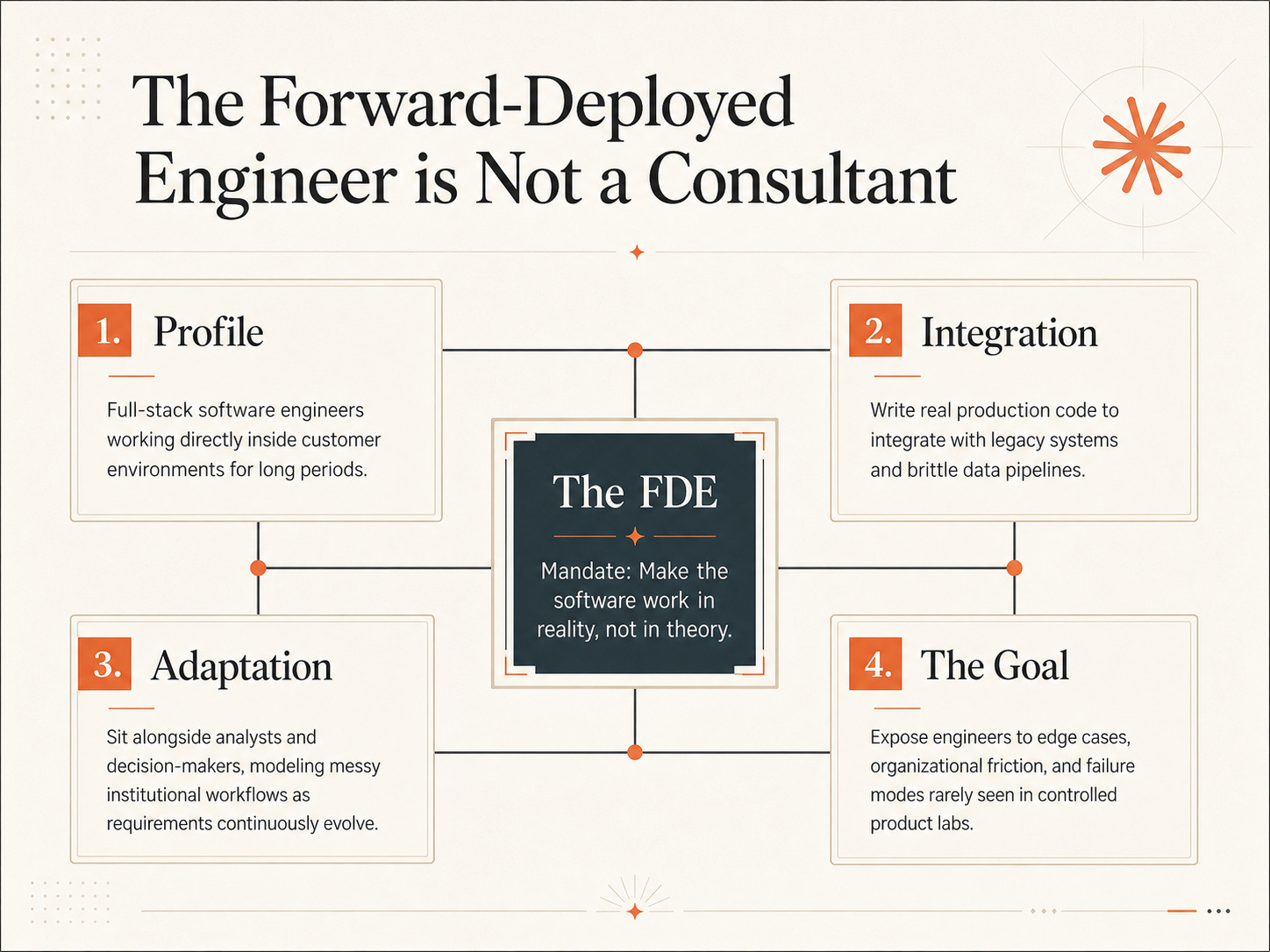
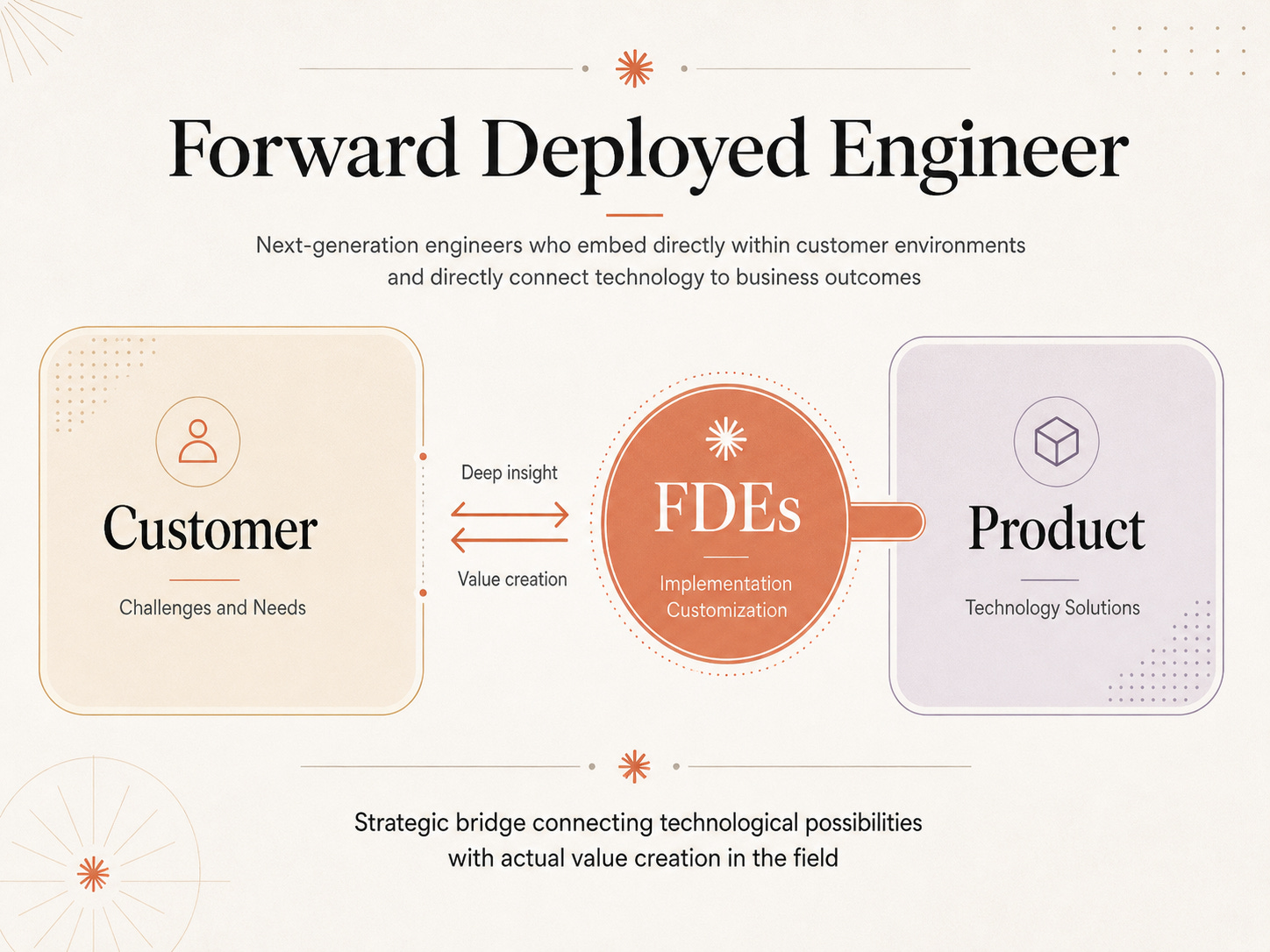
Both are borrowing Palantir’s playbook: forward-deployed engineers sitting inside client organizations, wiring AI into actual workflows rather than shipping licenses and hoping for the best.
The structural differences matter here.
→ OpenAI offered PE investors a 17.5% guaranteed annual return floor over five years. At $4 billion in committed capital, that’s up to $700 million a year in guaranteed payouts if the venture underperforms, stacked on top of projected $14 billion in 2026 losses.
→ Anthropic offered ordinary equity with no floor.
Read that as a confidence gap, a cultural signal, or both: the safety-focused lab apparently thinks the commercial upside speaks for itself.
Zoom out 🔎 For fintech and financial services, the Goldman Sachs piece is the one to watch. Goldman is investing through its asset management unit, immediately connecting Anthropic’s engineers to a portfolio spanning wealth management, lending, and insurance. Blackstone, with $1.3 trillion in assets, adds thousands more companies across every sector where financial products move.
If those portfolio companies get AI-native operations 18 months before their competitors, the gap won’t close easily. For a company like Revolut, which built its edge on engineering speed and lean operations, the question flips: what happens when legacy banks and mid-market financial services firms suddenly get Anthropic engineers rebuilding their back offices?
ICYMI: Inside Revolut’s PRAGMA: The Foundation Model Trained on 40 Billion Banking Events 🧠 [Architecture, performance benchmarks vs. Stripe, Mastercard, and Visa, regulatory risks, and why PRAGMA may be the most consequential AI bet in consumer finance]
The second-order effect most people will miss is what these deals do to enterprise software incumbents. RBC flagged earlier this year that Anthropic product launches sent Salesforce, Workday, and Intuit shares down 6-13%.
Now imagine that pressure applied not through an open market but through PE board mandates. When Blackstone tells a portfolio company to deploy Claude across its operations, the CRM vendor doesn’t get a renewal conversation. It gets a replacement conversation.
ICYMI:

THE TAKEAWAY ✈️
What’s next? 🤔 Looking ahead, there are three key things to track over the next twelve months. First, whether OpenAI’s 17.5% guarantee becomes a template or a cautionary tale. Second, whether the forward-deployed engineer model can actually scale - Palantir took two decades to prove it, and talent that can code and navigate corporate politics remains scarce. Third, watch Google. DeepMind partnered with McKinsey, BCG, and Deloitte in April, betting on consultants as distribution rather than competing with them. One of these two approaches will definitely win. We just don’t know which one yet.
ICYMI: OpenAI doesn’t want to build a Phone. It wants to build the last App Store 😳📱 [why it’s not about killing the iPhone here but all about building the last App Store + bonus deep dive into OpenAI’s OS strategy & the quest to become the ultimate AI Super App]
OpenAI is building a personal CFO in plain sight 🤖📊 [what their Hiro Finance M&A is all about, why they needed them & how it stacks into their bigger long-term strategy + bonus deep dive into OpenAI’s Agentic Singularity strategy inside]
One unreleased AI model just triggered a global financial emergency 😳🚨 [why Claude Mythos prompted the US Treasury, the Fed, the Bank of Canada, and UK financial regulators to hold emergency meetings with their largest banks, where the biggest risks are & what’s next + bonus deep dive into Anthropic’s leaked Claude source code & how I turned Claude Code into my 10X engineer]
Anthropic stopped selling Intelligence and started selling Infrastructure 🤖💸 [breaking down Claude Managed Agents, why the architecture is really a platform lock-in strategy disguised as a product launch, which startups just lost their reason to exist + how to solve AI Agent context window using Skill Graphs & deep dive into Anthropic’s leaked Claude Source inside]
Coinbase’s 3rd layoff in 4 years isn’t an AI Story. It’s a Business Model Story 🤖🙅♂️
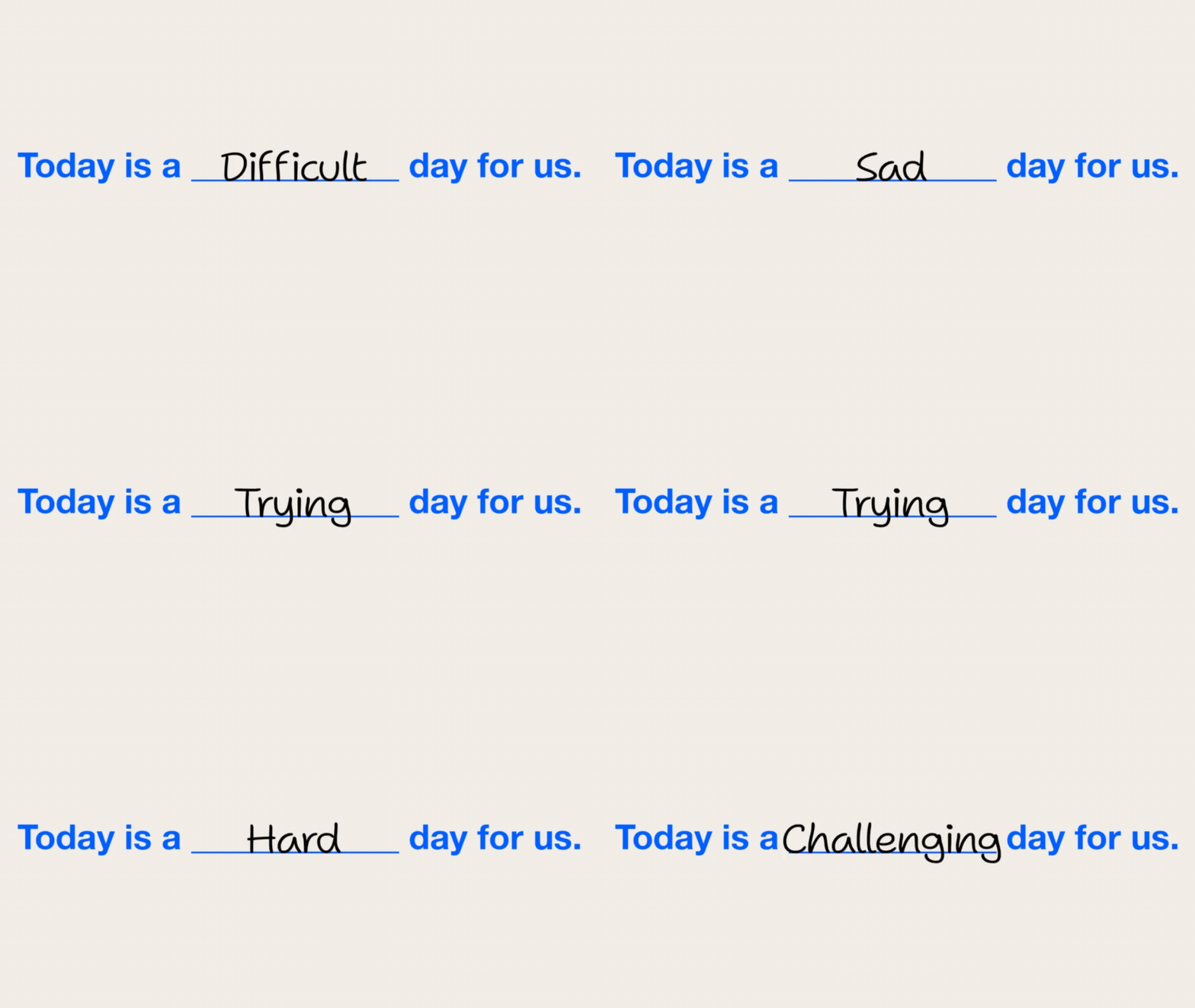
The news 🗞️ Coinbase has now cut 18% of its workforce in 2022, 20% in 2023, and 14% yesterday. Each round followed the same script: hire aggressively during a bull market, get caught by a downturn, slash headcount with the vocabulary of the moment 🤷♂️
In 2022 and 2023, it was “we over-hired.” In 2026, it’s “AI is reshaping how we work.” The pattern is identical. Only the framing has changed.
Let’s unpack this.
More on this 👉 The 700-person cut, announced May 5, followed a Q4 2025 in which transaction revenue fell 37% year-over-year and a Q1 2026 in which adjusted EBITDA collapsed 51%. Full-year 2025 operating expenses grew 35% while revenue grew 9%. Headcount rose 31%. In a single year 👀
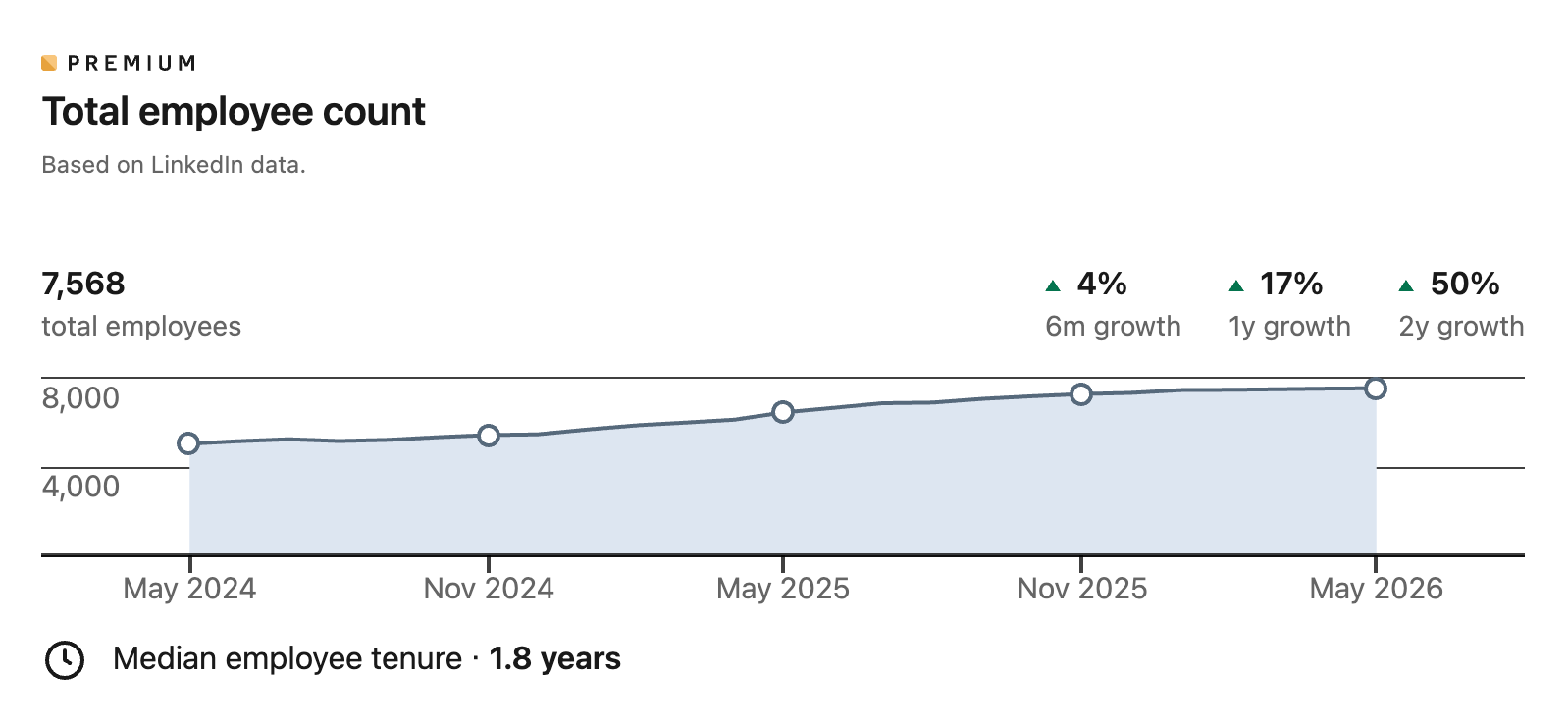
That math clearly doesn’t math with or without AI. Brian Armstrong’s memo acknowledged both crypto weakness and AI productivity as drivers, but his own language gives the game away: he described the restructuring as preparation for “our next phase of growth,” which is cyclical thinking dressed in structural clothing.
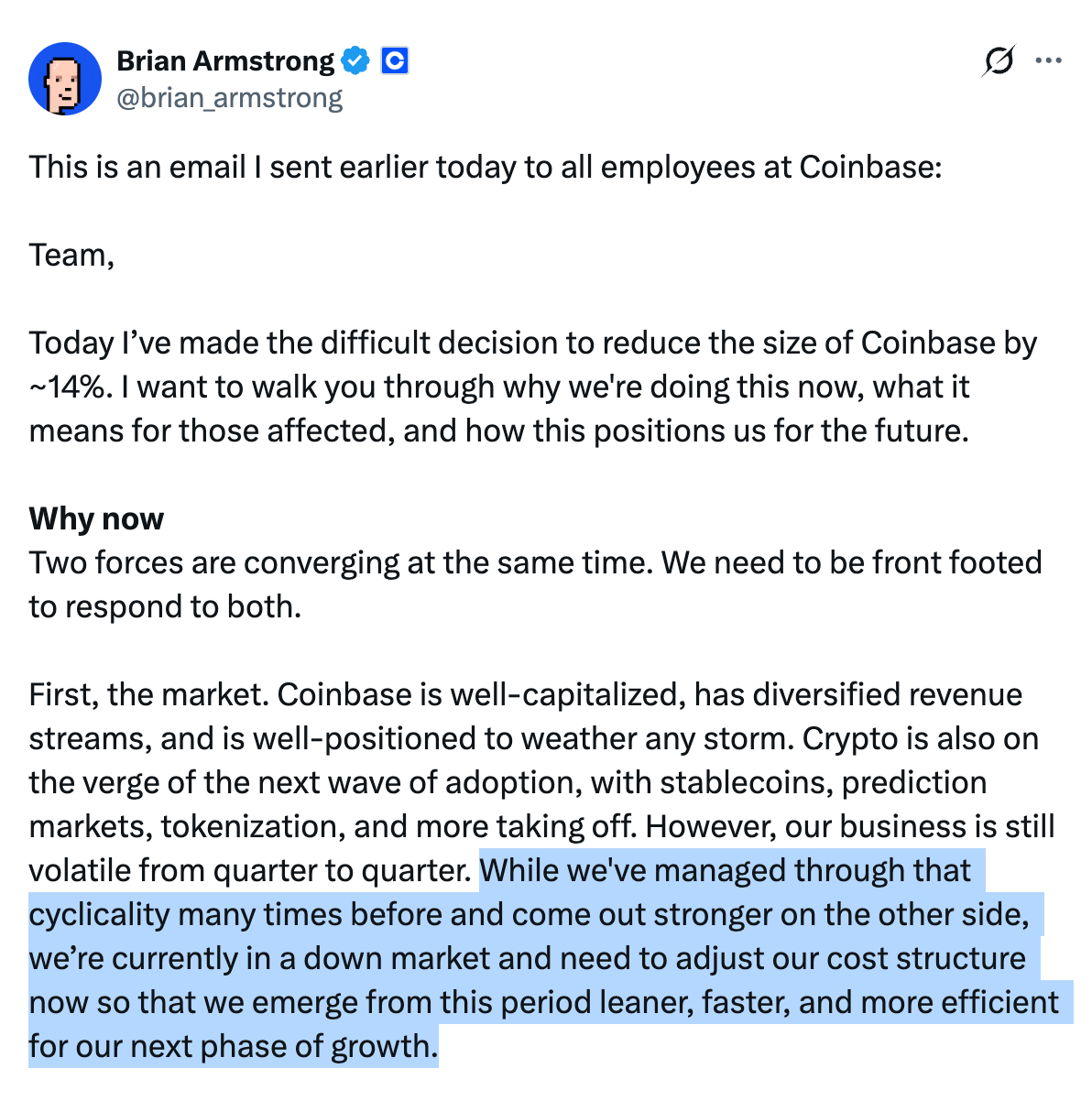
If this were truly an AI-native redesign, you wouldn’t frame it as a bridge to the next bull run.
Zoom out 🔎 We must note that Armstrong isn’t alone in reaching for the AI explanation.
→ Block cut 40% of its workforce in February, citing AI.
→ Snap cut 16% in April.
→ Atlassian cut 10% in March.
Sam Altman himself called it out at the India AI Impact Summit: companies are blaming AI for layoffs they’d be making anyway. A Harvard Business Review study found that only 2% of C-suite executives said their cuts were actually driven by existing AI capabilities. Gartner predicts that half the companies attributing headcount reductions to AI will rehire for similar roles by 2027.
That said, the productivity gains definitely aren’t fiction. Block’s internal AI platform “Goose” drove 40% more code per engineer in six months, and the company released more Square products in Q4 2025 than in all of 2024. Coinbase has mandated GitHub Copilot and Cursor adoption with a target of 50% AI-written code. Engineers are genuinely shipping faster. But the distance between “developers are more productive with AI tools” and “we need to eliminate 4,000 jobs” is vast, and the gap is filled mostly by overhiring corrections and market weakness.

For Coinbase specifically, the AI story obscures a more pressing competitive problem. The company ranked eighth globally among crypto exchanges with 6.1% market share as of early 2026, far behind Binance at 39.2%. Kraken, Gemini, and Bullish have all gone or are going public, eroding Coinbase’s position as the only major listed US exchange. That said, the fee compression is coming regardless of how flat the org chart gets 🤷♂️
THE TAKEAWAY ✈️
What’s next? 🤔 Looking ahead, I’d watch two things over the next 12 months. First and foremost, whether Coinbase starts quietly rehiring in late 2026 or early 2027 if crypto recovers, which would confirm this was cyclical cost-cutting, not structural transformation. Second, whether Armstrong’s “one-person team” experiment survives contact with the compliance, risk, and customer support demands of a regulated financial services company. Remember that Klarna tried automating 700 support roles with AI in 2024, then reversed course a year later when the CEO admitted they’d moved too aggressively. Because regulated fintech is exactly where the “AI replaces headcount” thesis gets its real stress test.
ICYMI:

Crypto’s smartest money is now betting AI Agents need blockchain banks 🤖🏦
Following the money 💸 The two crypto VCs with the best infrastructure track records just told you where the money’s going next, and it’s not where the “crypto is dead” crowd thinks.
Let’s take a look at this.
More on this 👉 Paradigm is raising $1.5 billion for a fund that formally adds AI, robotics, and frontier tech to its mandate. Haun Ventures closed $1 billion across two new funds on May 4, with AI agents sitting alongside stablecoins and tokenization as core theses.
Between them, that’s $2.5 billion in fresh capital pointed at a single bet: autonomous AI agents will need financial rails that legacy payments can’t provide, and crypto infrastructure is the answer.
Zoom out 🔎 The easy read is that crypto VCs are chasing AI’s heat. The better read is that the chase already happened at the portfolio level.
Silicon Valley Bank data shows 40 cents of every crypto VC dollar in 2025 went to companies blending AI and crypto, up from 18 cents a year earlier. Paradigm and Haun are formalizing what their deal flow already told them. Haun’s prior fund proved the thesis works in practice: Bridge sold to Stripe for $1.1 billion and BVNK to Mastercard for $1.8 billion, both stablecoin payment infrastructure plays that look prescient now that agent-to-agent payment protocols from Coinbase, Google, and Stripe are live or nearly so.

We must note that the firms are attacking different layers. Paradigm is going deep on protocol infrastructure, backing decentralized AI training (Nous Research, $50M Series A) and co-building smart contract security tools with OpenAI. Haun is focused on the regulated financial plumbing: her largest position is Erebor, Palmer Luckey’s FDIC-insured digital bank valued at $4.35 billion.
One builds the pipes, the other builds the on-ramps.
Not everyone agrees convergence is the play, though. a16z crypto raised $2.2 billion the same week, dedicated 100% to crypto. That divergence matters for founders shopping term sheets: pitch the agent economy to Paradigm and Haun, pitch pure protocol infrastructure to a16z.
THE TAKEAWAY ✈️
What’s next? 🤔 Looking ahead, the real question now is not whether AI agents will transact autonomously. It’s whether they’ll do it on crypto rails or through patched-together traditional payment APIs. Machine-driven transactions are projected to touch $9 trillion annually by 2030. If even a fraction settles on-chain, the infrastructure companies being funded right now become the Visa and SWIFT of the agent economy. Thus, for founders: design for machine customers from day one, build compliance into the architecture, and know that the capital is there if you’re building at the overlap. Meanwhile, for investors watching from the sidelines, the window to take a position on this convergence is narrowing fast.
ICYMI:

🧠 What else I’m watching
Lloyds Deploys AI Agent Platform 🤖 Lloyds Banking Group has launched Envoy, a Google Cloud-powered platform enabling teams to train, use, and share AI agents securely across its operations. The platform offers ready-to-use templates for building task-specific agents, which can be reused and shared via an internal marketplace. Envoy is said to have the potential to boost productivity, enhance customer journeys, and drive innovative business models. Agents can retain customer data in memory to support ongoing interactions, with built-in compliance, safety checks, and human oversight ensuring responsible use. ICYMI:
NatWest Brings Mortgages to ChatGPT 🏡 NatWest has launched an app on ChatGPT, allowing users - both customers and non-customers - to tag the bank in queries and receive tailored mortgage and home-buying guidance without leaving the platform. Powered by NatWest APIs, users can calculate borrowing capacity, test affordability and deposit scenarios, and access personalized mortgage rates. They are then directed to NatWest’s channels to book appointments or start digital mortgage applications. This follows NatWest’s 2025 strategic partnership with OpenAI, granting early access to OpenAI’s tools and bespoke services. ICYMI:
Visa Expands Agentic Ready Program 🌍 Visa is rolling out its Agentic Ready program in Canada and Malaysia, helping payments ecosystems prepare for AI agents initiating and completing transactions on behalf of consumers. In Canada, all Big 5 banks - BMO, CIBC, RBC, Scotiabank, and TD - are onboard as issuing partners, with more expected to join. The program allows participants to test agent-initiated payments in real-world environments using live cards and merchants, validating payment flows and trust mechanisms. In Malaysia, Alliance Bank, CIMB, and Maybank are already participating. ICYMI:


💸 Following the Money
Fun, a payments infrastructure company used by the likes of Polymarket for crypto onramping, has emerged from stealth with $72M in Series A funding.
MoonPay, the leading crypto payments network, announced the acquisition of DFlow, the fastest-growing trading infrastructure platform on Solana.
Core Scientific to acquire bitcoin miner Polaris in $421M deal to expand Oklahoma AI data center campus
👋 That’s it for today! Thank you for reading, and have a relaxing Sunday! And if you enjoyed this newsletter, invite your friends and colleagues to sign up:
Great breakdown. This feels less like AI sales and more like AI deployment at scale. The winners may be the companies that can turn models into real operating systems.
good stuff - thanks